
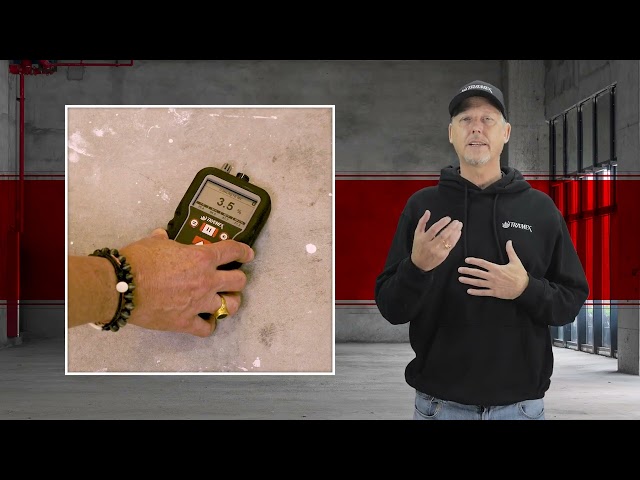
Accurate concrete moisture assessment is essential for successful flooring and coating installations. Two common approaches are the Calcium Chloride test (ASTM F1869) and non-destructive concrete moisture meters like the Tramex CME5 and CMEX5. Each method has its place, and many professionals use them together for best results.
How the Calcium Chloride Test Works
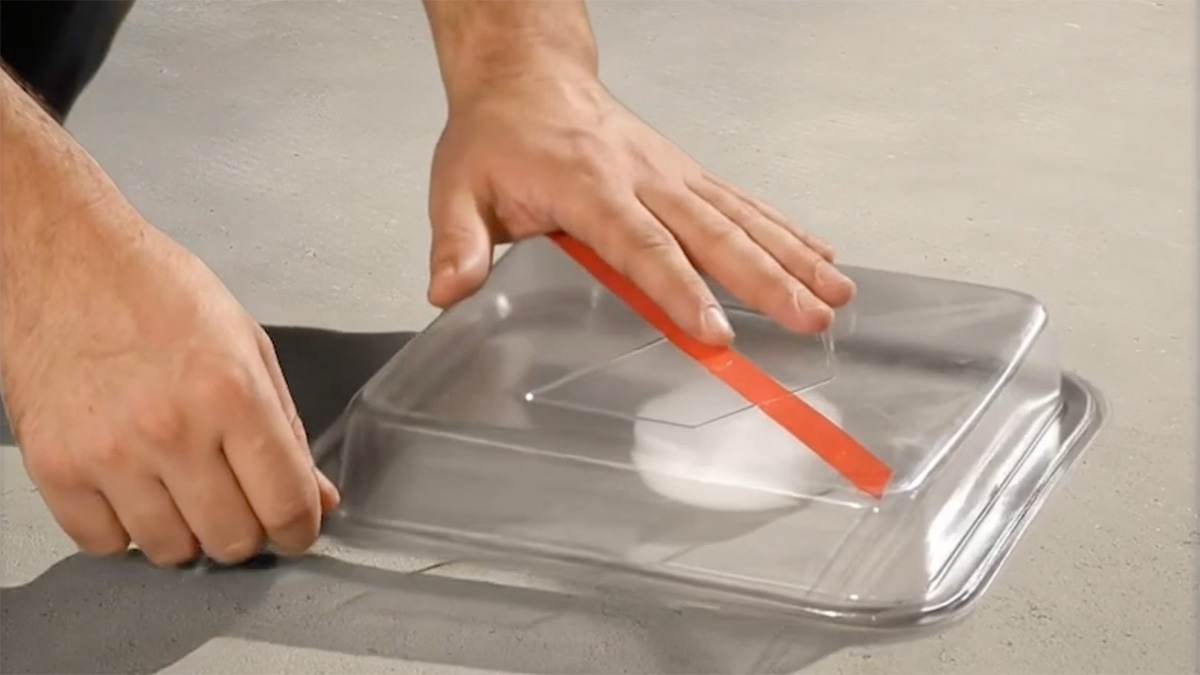
The Calcium Chloride test involves placing a dish of calcium chloride (a desiccant) under a sealed hood on the concrete surface for 24 hours. The salt absorbs moisture, and the weight gain is used to calculate the Moisture Vapor Emission Rate (MVER) in pounds per 1,000 square feet per 24 hours. This test is widely specified by some manufacturers and can provide useful data when performed and interpreted correctly.
Important Considerations with Calcium Chloride Testing
- The test actively draws moisture from the slab during the 24-hour period.
- Results reflect conditions under the hood at that specific time and temperature.
- Real-world emission rates can vary with changes in ambient conditions, temperature, and airflow.
- In older slabs, naturally occurring salts (alkalinity) in the concrete can influence the results.
The Tramex Concrete Moisture Meters CME5 and CMEX5 approach
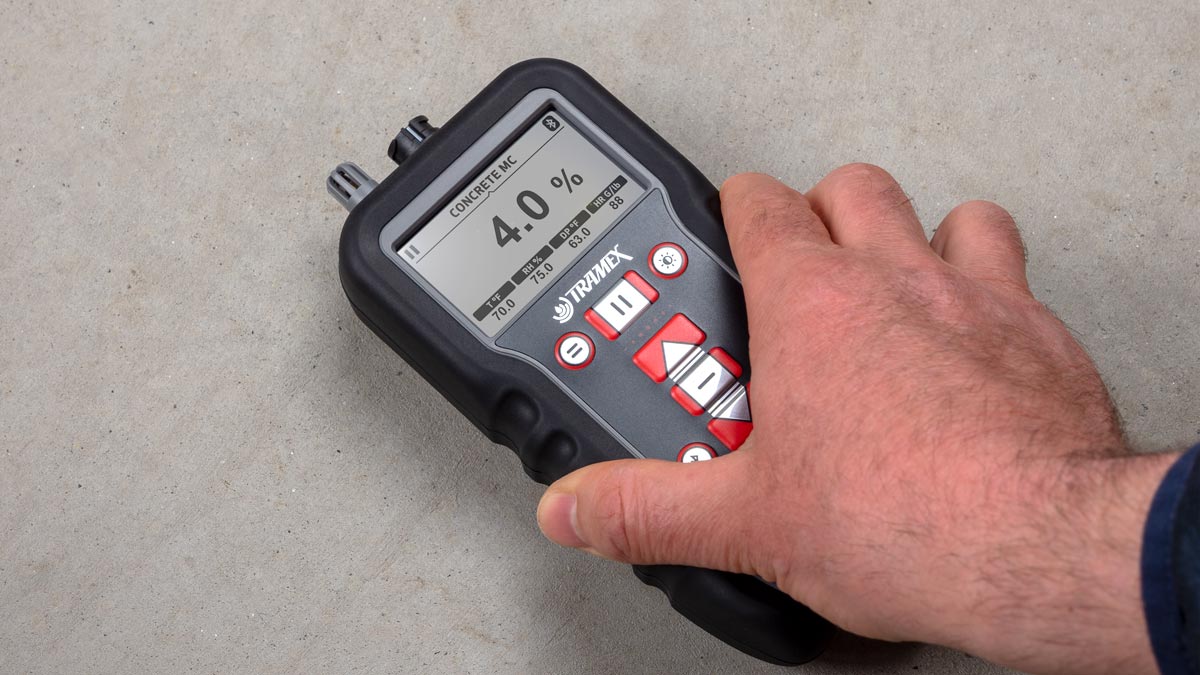
The Tramex Concrete Moisture Encounters CME5 and CMEX5 provide instant, non-destructive quantitative moisture content (%MC) readings from the surface of the slab.
Key Benefits of the Tramex Method:
- Delivers immediate %MC readings without altering the slab.
- Helps assess current, real-world moisture conditions at the time of testing.
- Excellent for time-of-install checks, which are critical for successful installations.
- Easy to repeat readings across large areas.
- Supports full documentation and moisture mapping when used with the Tramex Meters App.
Best Practice Recommendation
Many experienced professionals use both methods depending on project requirements:
- Follow manufacturer specifications that call for Calcium Chloride testing.
- Use the Tramex CME5 or CMEX5 for fast, repeatable surface readings and to verify conditions at the actual time of installation.
This combined approach helps provide a more complete understanding of slab moisture and supports better decision-making.